
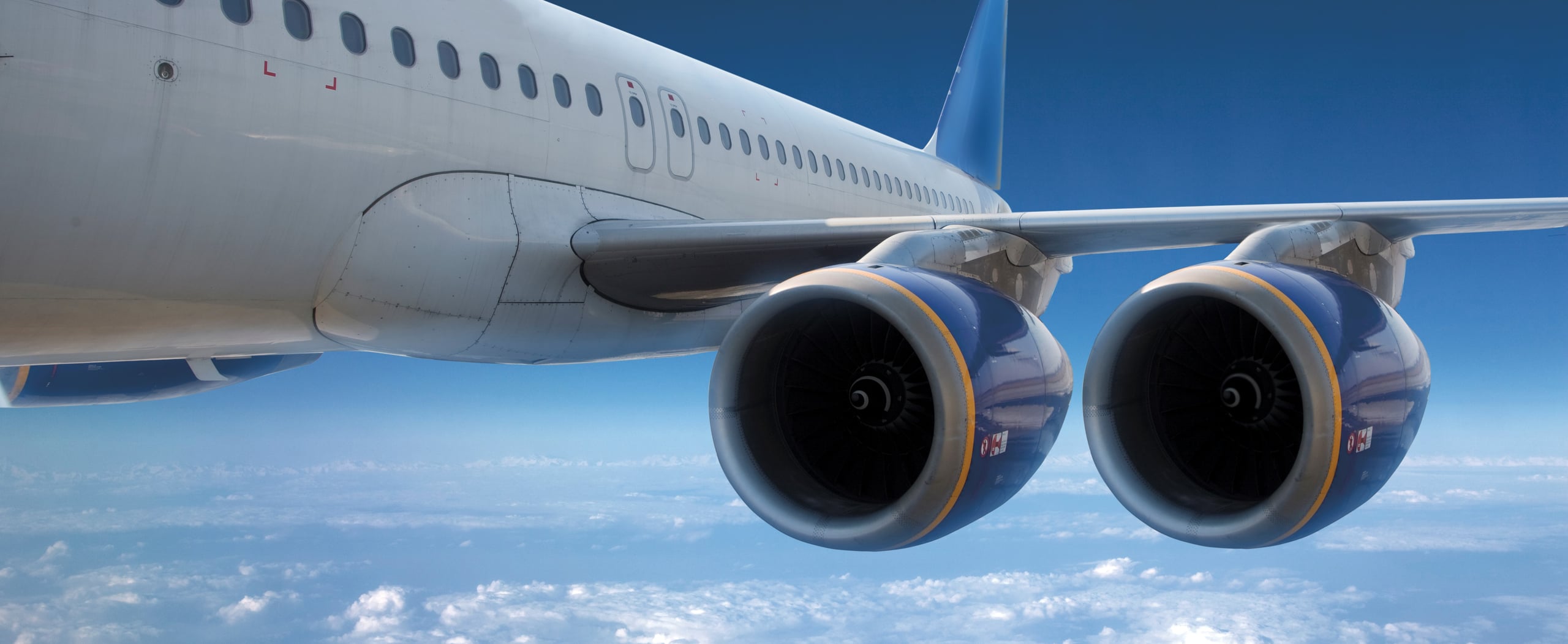
The EU ETS (European Union Emissions Trading System) for aviation is intended to reduce greenhouse gas emissions in the aviation sector. This means that airlines operating within the European Economic Area (EEA) are required to monitor and report the emissions from their flights and surrender emission allowances for them.
The European Commission allocates aircraft operators to various Member States for monitoring, reporting and enforcement within the EU ETS. In the Netherlands, the Netherlands Emissions Authority (NEa) is responsible for the implementation and supervision of EU ETS Aviation.
CORSIA
In addition, aircraft operators have obligations under the Carbon Offsetting and Reduction Scheme for International Aviation (CORSIA). CORSIA is a global initiative of the International Civil Aviation Organization (ICAO) to reduce and offset the carbon emissions of international airlines. CORSIA is designed to curb the growth of net CO2 emissions from international civil aviation starting in 2019. Aircraft operators with a Dutch Air Operator Certificate (AOC) are subject to the supervision of the NEa for CORSIA.
ReFuelEU
The ReFuelEU regulation is part of the FitFor55 package. This is a set of proposals from the European Union (EU) and refers to the EU's goal of reducing net greenhouse gas emissions with at least 55% by 2030.
The RefuelEU Aviation Regulation aims to promote the production and use of sustainable aviation fuels (SAF) and to prevent 'fuel tankering' practices.
The NEa is the designated implementing organisation and supervisor for:
- the blending obligation for fuel suppliers (you can find more information here, in Dutch)
- the refuelling obligation for aviation operators